
The Fuengirola House of Culture will host the exhibition ‘Art and culture in cross stitch’, by Toñi Díaz Blanco, from April 9 to 30
The exhibition brings together more than thirty reproductions of great works such as Las Spinners, The Burial of Count Orgaz, Las Meninas or The Surrender of Breda
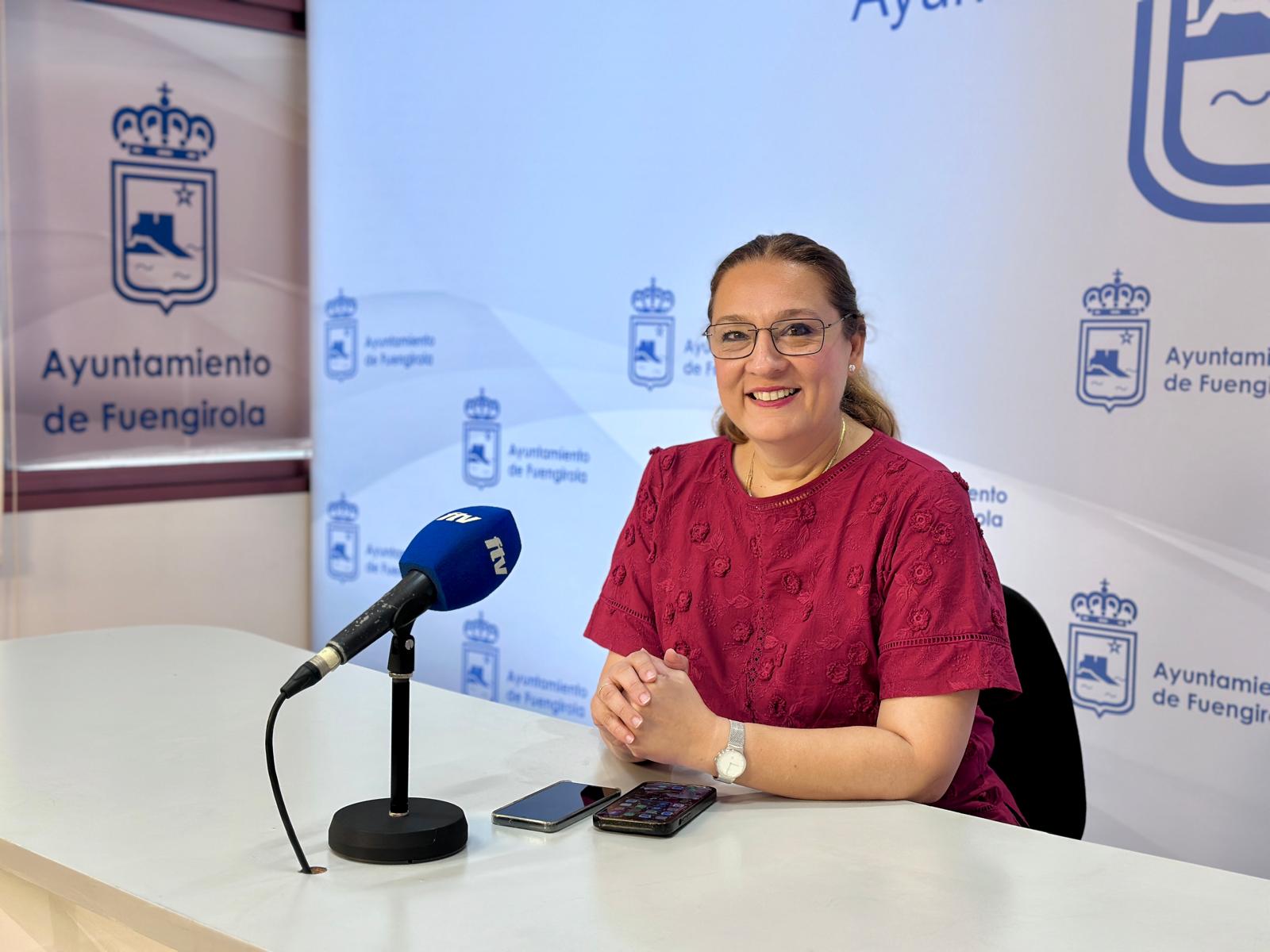
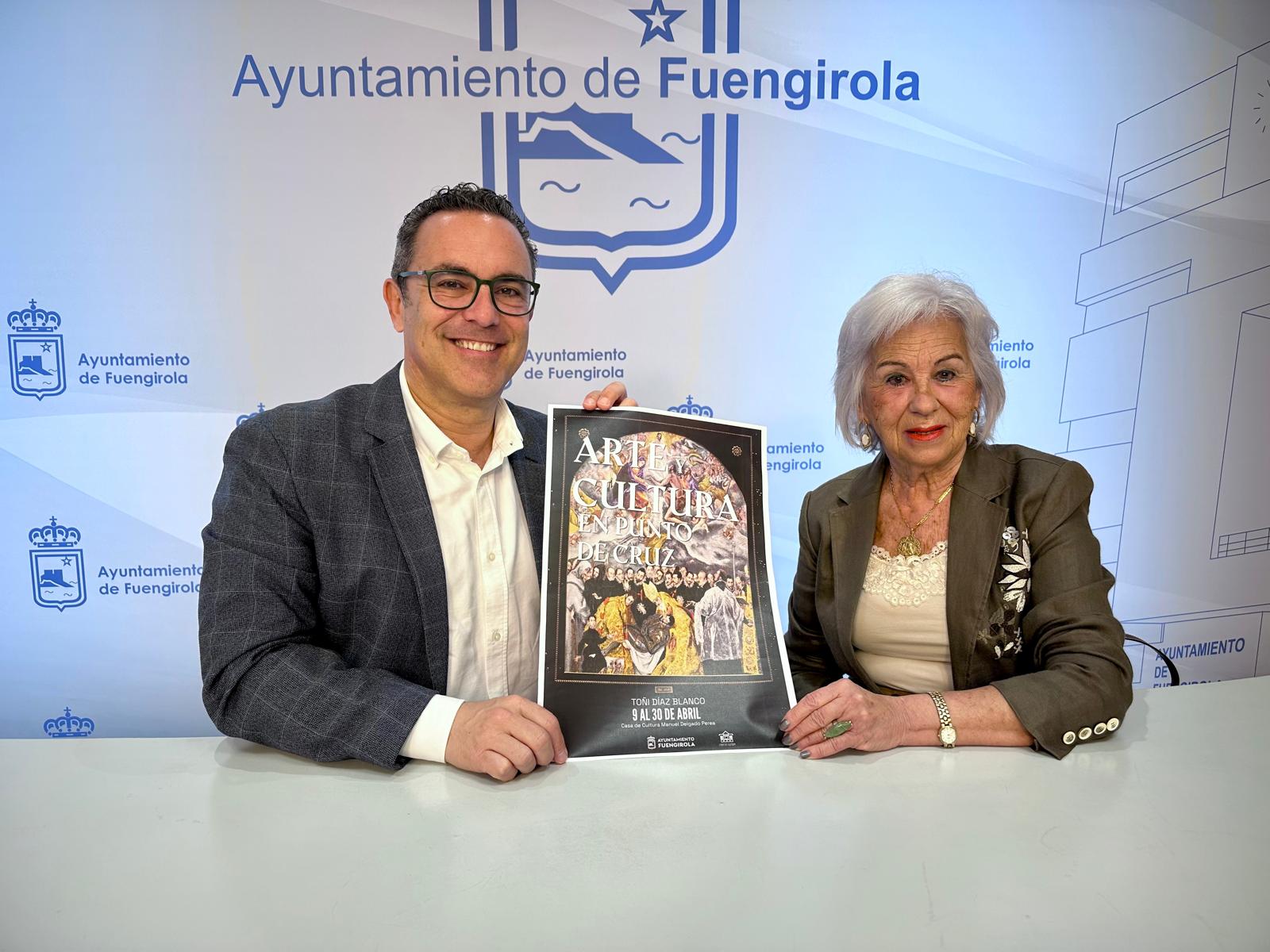
3/17/2026 – The Manuel Delgado Perea House of Culture in Fuengirola will host from April 9 to 30 the exhibition ‘Art and culture in cross stitch’, an artistic proposal by Toñi Díaz Blanco that brings together between 35 and 40 cross-stitch reproductions of some of the most recognized works of universal painting. The exhibition was presented today by the Councilor for Culture, Rodrigo Romero, together with the author.
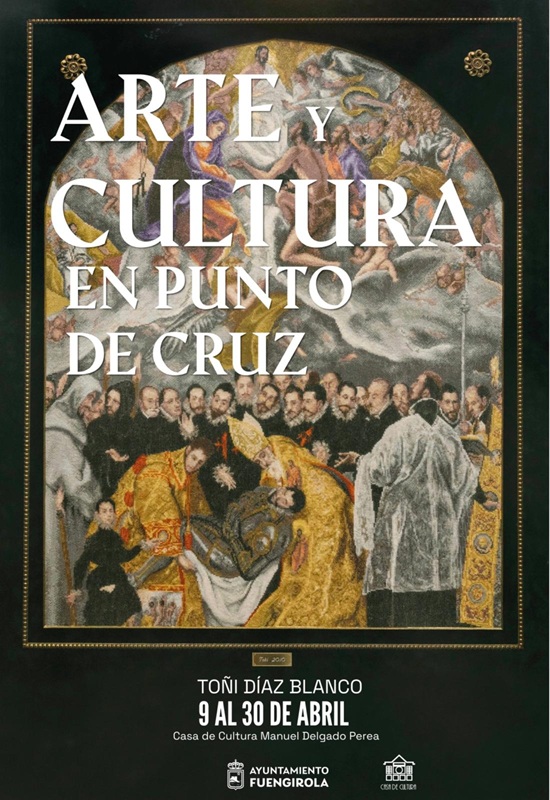
Among the pieces that can be seen are recreations of great classics such as Las Spinners, The Burial of Count Orgaz, Las Meninas or The Surrender of Breda, made using an artisanal technique that combines patience, precision and artistic sensitivity.
The inauguration will take place on April 9 at 7:00 p.m. at the House of Culture. “This is a very special exhibition and different from what we are used to seeing. Its author has been perfecting the cross-stitch technique for almost 30 years and has managed to surprisingly reproduce works by great painters, both Spanish and European,” Romero highlighted.
For her part, Toñi Díaz Blanco has explained that her learning has been completely self-taught. “I started 29 years ago without having knowledge of cross stitch. In the exhibition you can see my first painting to appreciate the evolution of my work over time,” he noted.
In addition to the pictorial reproductions, the exhibition will include three cross-stitch quilts, unusual pieces in this type of exhibition, as well as a half-finished work that will allow visitors to learn about the production process and the different phases of this artisanal technique.
Cross stitch is one of the most popular forms of embroidery and is characterized by the use of X-shaped stitches on uniformly woven fabrics. Although its origin in Europe dates back to the Middle Ages, today it continues to be a form of creative expression that allows thread and fabric to be transformed into authentic works of art.