


Fuengirola leaves deseasonalization behind and starts 2026 with good tourism data and increasing employment linked to the sector
The data for the first quarter reflect a 26.4% growth in travelers, 18.5% in overnight stays and 800 more hired people linked to the tourism sector. José Luis Ponce highlights that “the objective is not to grow in any way, but to grow better, with more quality, more employment and more balance with the lives of the neighbors”
5/26/2026 – Fuengirola has started 2026 with good tourism data, according to the latest Municipal Tourist Bulletin prepared by Tourism and Planning Costa del Sol. The indicators for the first quarter reflect a positive evolution in hotel travelers, overnight stays, occupation and employment linked to the tourism sector, confirming the strength of the city as one of the reference destinations on the Costa del Sol.
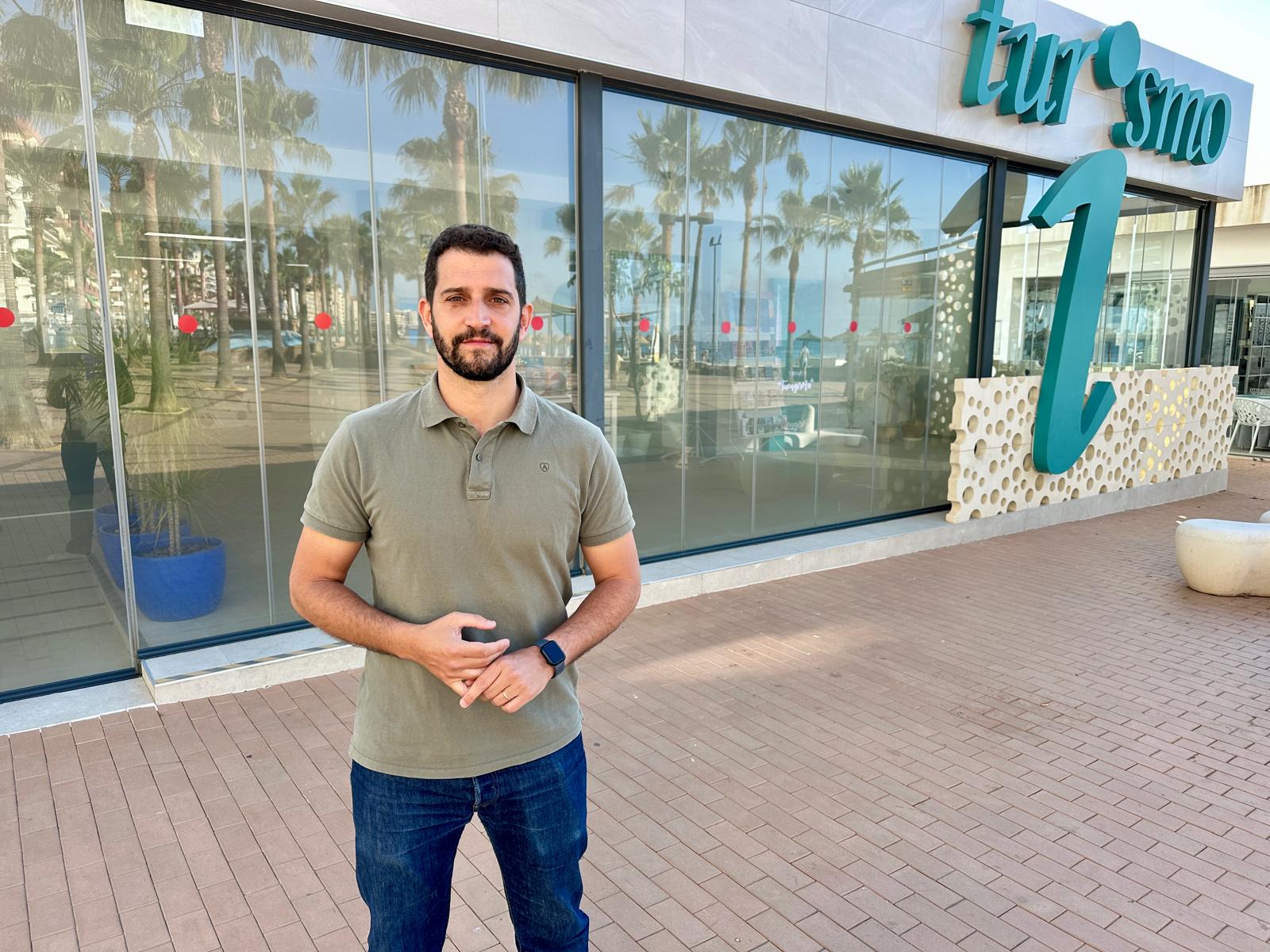
The Councilor for Tourism, José Luis Ponce, has evaluated these data with caution, but also with satisfaction, underlining that “Fuengirola starts the year with positive figures, but the important thing is not only to grow, but to grow well.” In this sense, he recalled that the municipal tourism strategy is based on “quality over quantity, seasonal adjustment, market diversification, job creation, collaboration with the sector and balance with the daily lives of residents.”
According to the bulletin corresponding to March 2026, Fuengirola registered 47,271 hotel travelers during that month, which represents an increase of 26.4% compared to the same month of the previous year. There were also 200,712 hotel overnight stays, with an increase of 18.5%. In the accumulated period from January to March, the city reached 101,630 hotel travelers and 416,672 overnight stays.
“These are data that confirm that Fuengirola has started the year strongly. But we do not want to focus solely on the headline that there are more tourists. What is truly important is that these data are produced in the first quarter of the year, outside the traditional summer months, and that shows that Fuengirola is making progress in one of its main objectives: to be a city that is active all twelve months,” said Ponce.
The bulletin also reflects an accumulated hotel occupancy of 63.6% between January and March 2026, a figure that, for Ponce, “evidence that Fuengirola is consolidating its capacity to attract visitors beyond the summer.” Added to this is an improvement in RevPAR, an indicator that measures average revenue per available room, which reached 46.89 euros in the first quarter accumulated, with an increase of 8.5%.
One of the highlights of the report is the impact of tourism on employment. In the first quarter of 2026, Fuengirola registered 9,064 affiliated workers in the tourism sector, compared to 8,235 in the first quarter of 2025. The number of tourism companies affiliated with Social Security also increased, from 987 to 1,035.
“When we talk about tourism we are not talking about a cold statistic. We are talking about employment, companies, self-employed people, shops, restaurants, hotels and families. Tourism makes sense when it leaves value in the city, when it generates opportunities and when it strengthens the local economy,” stated Ponce.
The councilor has insisted that “tourism is a fundamental industry for Fuengirola”, but precisely for this reason “it must be managed seriously, with data, with planning and with a vision for the future. It is not just about counting visitors. It is about analyzing what impact they have, how the activity is distributed during the year, which markets work best, what tourist products we should promote and how we ensure that tourism is compatible with a comfortable, safe and cared for city for the residents”, he added.
Main issuing markets
Regarding the source markets, the United Kingdom continues to be the leading one in hotel overnight stays, with 127,023 nights accumulated from January to March. Along with the British market, the national market also stands out: Finland, Ireland, Sweden, the Netherlands, Denmark, Germany, Poland, Norway, France, Italy and Belgium.
Finally, Ponce wanted to recognize the role of the local tourism sector. “These data are also the merit of the hotels, restaurants, bars, agencies, businesses, leisure companies, workers and self-employed people who make Fuengirola function every day as a destination. From the City Council we have to accompany, promote, organize, listen and generate the best possible conditions so that the sector continues to create wealth and employment,” he noted.