



Fuengirola City Council creates ‘smart shade’ areas at taxi stops
They contribute to the reduction of polluting elements and the purification of the air. Financed with European Next-Generation Funds, it contributes to the tourism sustainability of the city
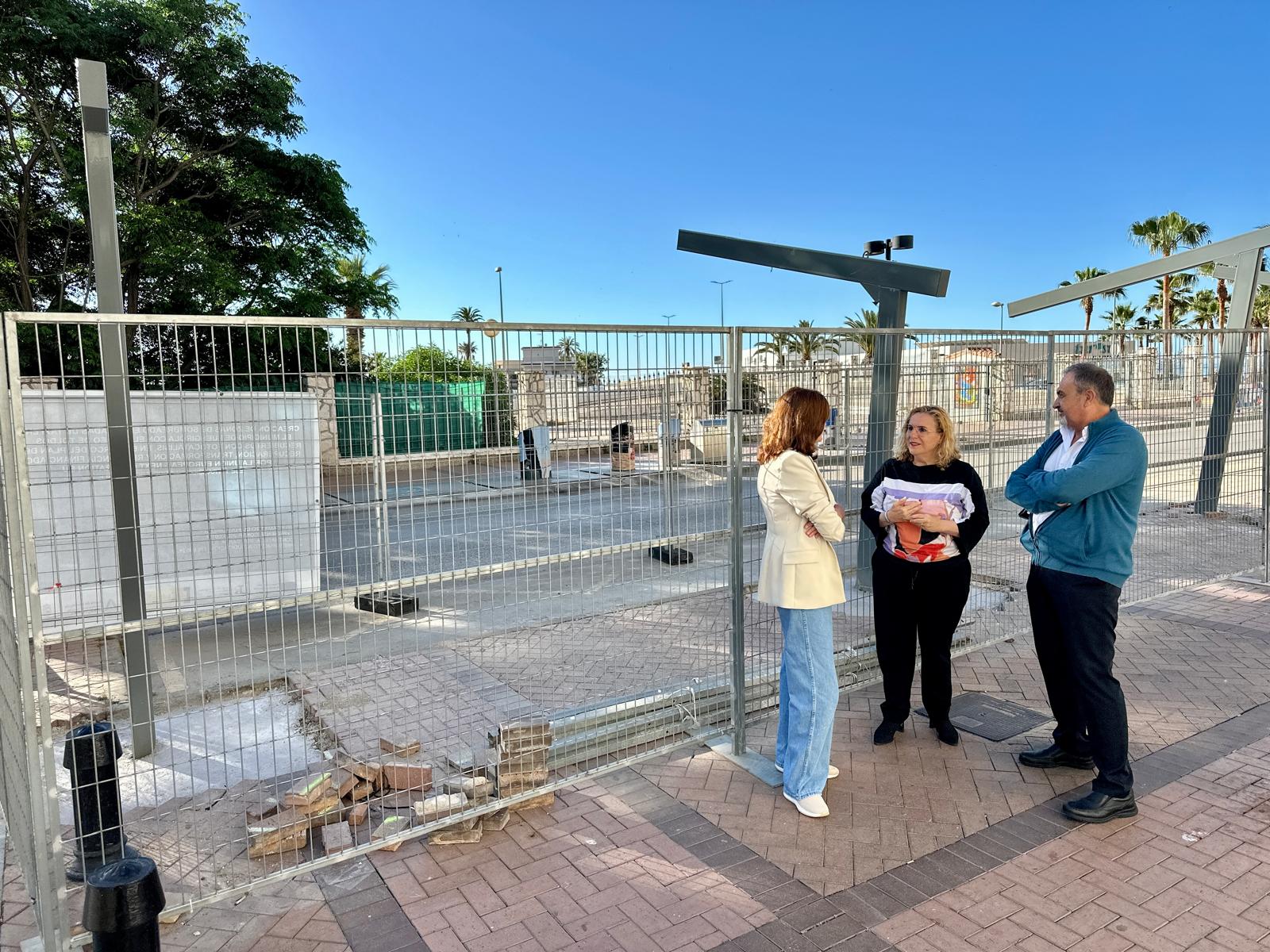
5/13/2026 – Fuengirola City Council is creating ‘smart shade’ zones at taxi ranks. They are being installed in four areas of the city and will be made of photocatalytic materials capable of contributing to the purification of the air and the reduction of polluting elements, as explained by the mayor Ana Mula, who in the company of the Councilor for Innovation, Isabel González, and the secretary of Radio Taxi Fuengirola, Miguel Moreno, visited today the installation work of these infrastructures.
“The taxi is an essential service in our city. True ambassadors of the Fuengirola Brand. And its licensed workers, as well as its users, deserve the best facilities to facilitate their comfort. In the same way, at the City Council we have been working on innovative projects for years. In that union of needs, we put out to tender this project that we are already making a reality,” said the councilor.
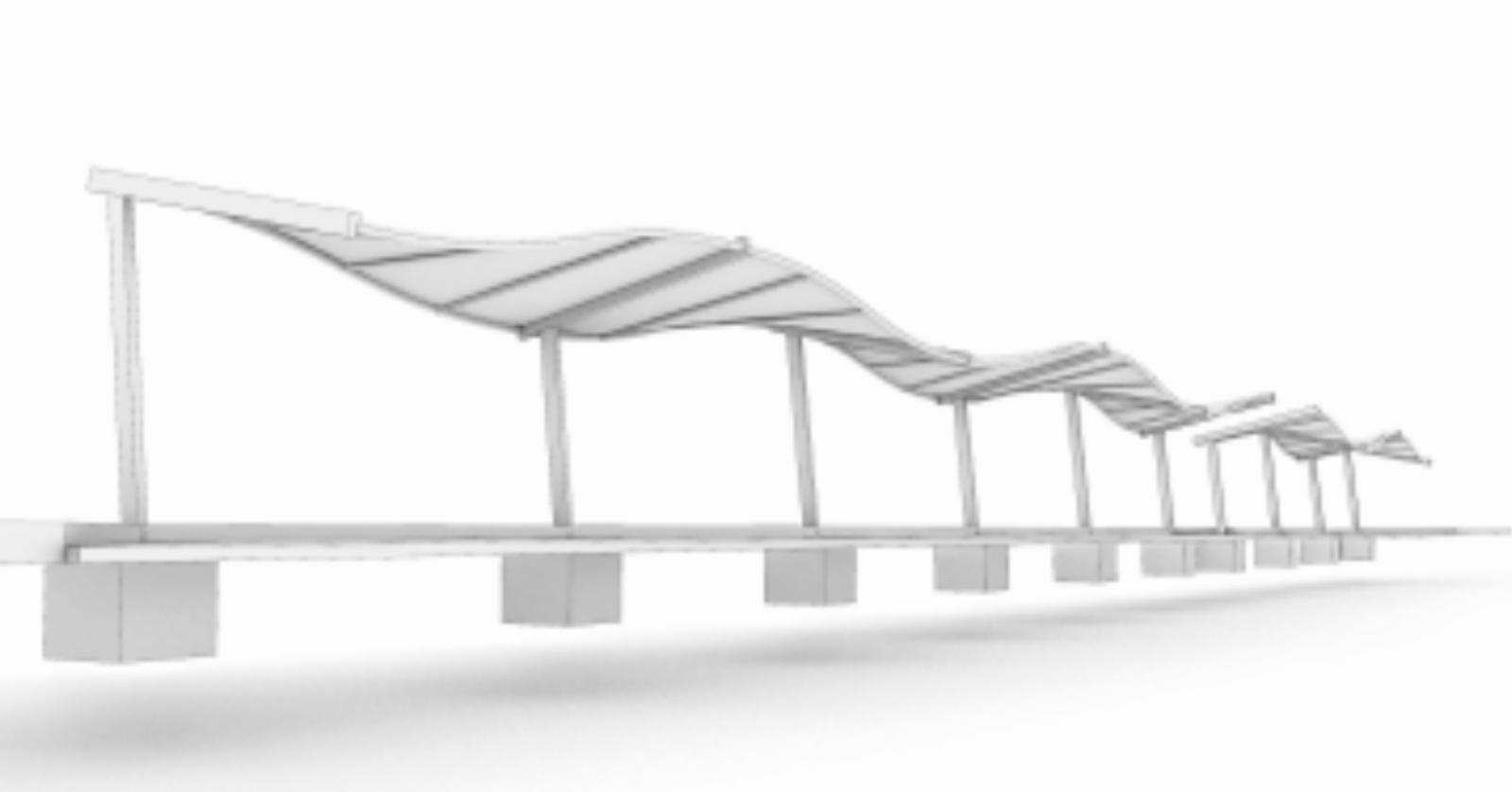
In this way, these shade elements are being implemented at four stops of this city service: two on the Paseo Marítimo – at Jacinto Benavente Street and around Martínez Catena Street –, on San Manuel Street and on Carvajal Avenue.
Its cost is 170,630.28 euros, which have been paid entirely by NextGenerationEU European Funds within the Recovery, Transformation and Resilience Plan (PRTR), framed in Component 14 related to the modernization and competitiveness of the tourism sector. And more specifically, in axis 1 of “Green and Sustainable Transition”, contemplating innovative actions aimed at improving environmental quality and the experience of both residents and visitors.
Not in vain, as Ana Mula has highlighted, the project has the following particularities: the materials are photocatalytic – with elements that, when activated by sunlight or ultraviolet light, accelerate chemical reactions to decompose organic and inorganic pollutants – capable of contributing to the purification of the air, reducing suspended pollutants and helping to reduce the temperature in the areas of influence of the taxi ranks. Therefore, in addition to improving thermal comfort, especially during the summer months, this measure seeks to move towards a more efficient, resilient and environmentally friendly tourism model.
“We improve the image of our city, the experience of one of the most relevant public and tourist services provided in it, and at the same time, we make it more sustainable,” Mula summarized.